Conceptual Framework
This is how the practice thinks .
HYPHA
A Conceptual Framework for a Living Practice
Attention
Encountering
The practice begins with attention.
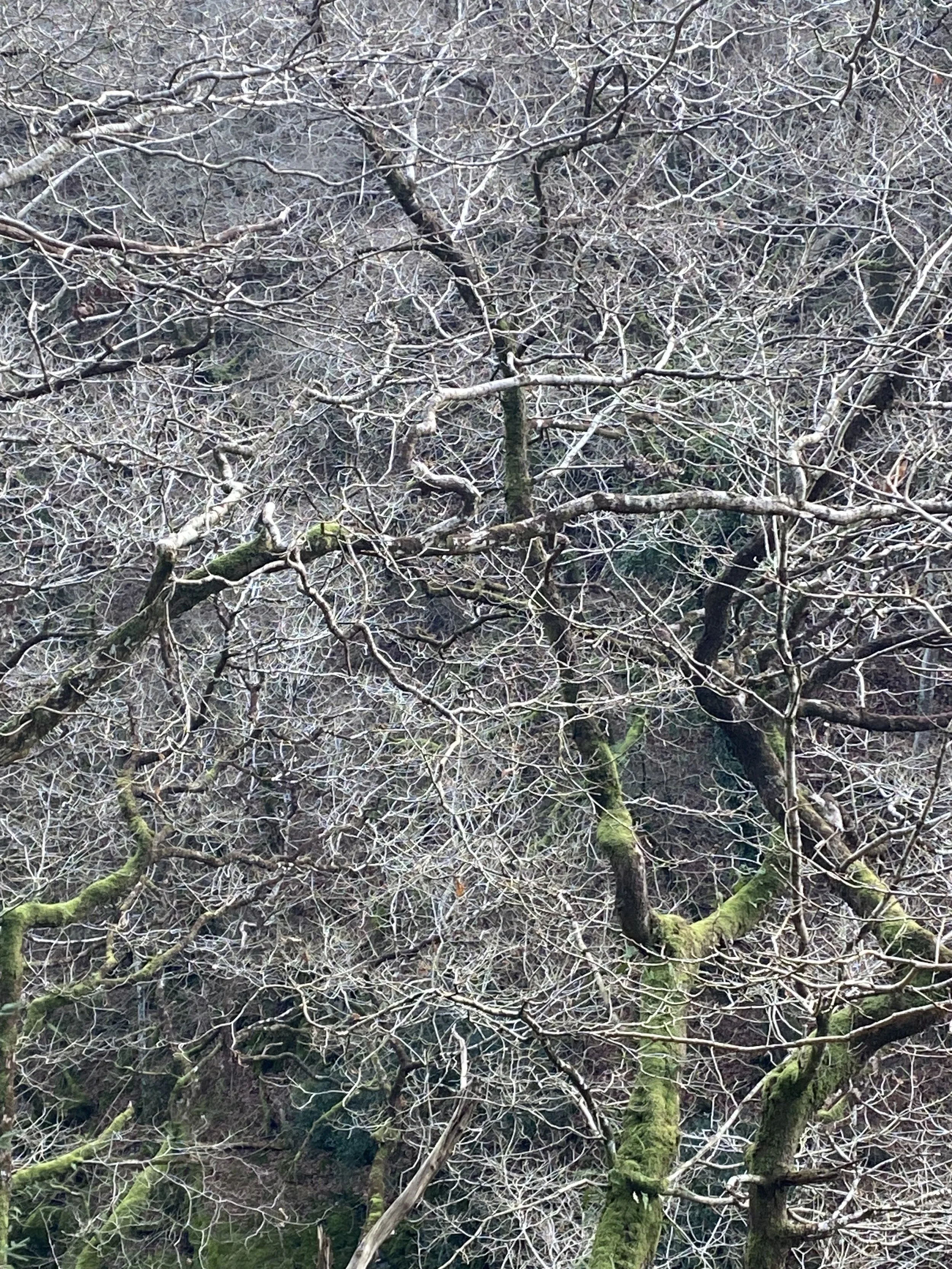
Walking, looking and photographing are ways of recognising relationships already taking place in the world: temporary alignments, overlooked interventions, weathered surfaces, accidental compositions and moments in which human activity becomes entangled with environmental processes.
Photography is particularly important here because the relationship is
found rather than constructed.
The camera does not simply document an object or place; it isolates an encounter and gives it duration.
Attention therefore precedes making.
It is a way of discovering what is already happening.
Displacement
Releasing
Objects, images and materials move.
Something encountered outside the studio may be photographed, collected, remembered, cropped or reconstructed. Once displaced from its original context, it becomes available to other possibilities without entirely losing where it came from.
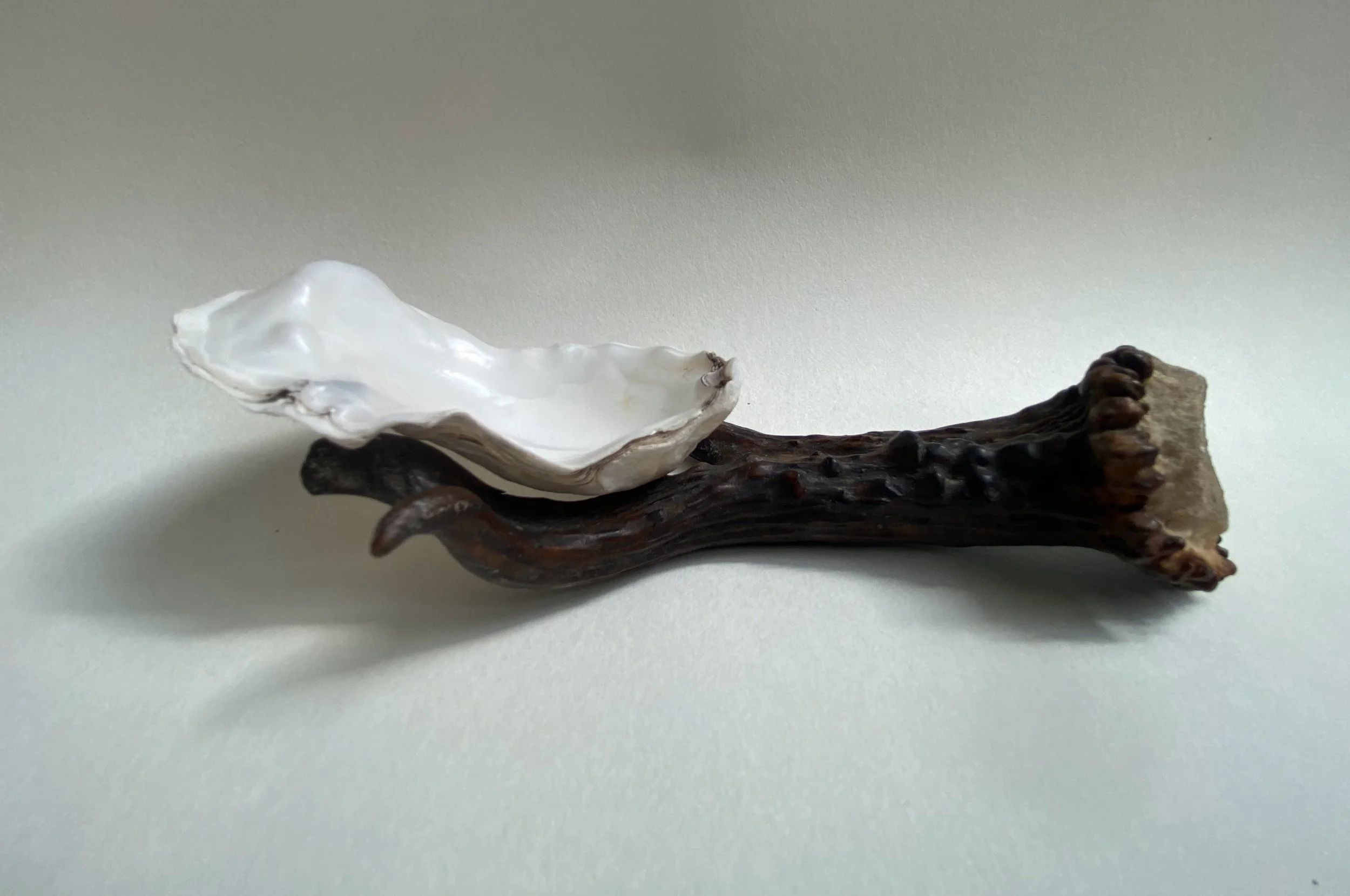
A shell remains a shell.
An antler remains an antler.
Packaging remains packaging.
Their histories are not erased by their transformation into art.
This is important because
materials are never neutral.
They arrive carrying ecological, geological, economic, social and cultural histories.
Displacement activates those histories rather than illustrating them.
The found object therefore becomes neither specimen nor symbol. It occupies an unstable position between what it has been and what it might become.
Negotiation
Relating
The studio is where observation becomes speculation.
Objects, images, surfaces and materials are brought into proximity without predetermined outcomes. Relationships are tested through arrangement, painting, casting, layering, compression, repetition and spatial intervention.
Chance participates.
Materials resist.
Unexpected affinities appear.
This is where
negotiation
becomes central.
Living, geological and human systems continually encounter and transform one another, but they do not operate at the same speed, scale or according to the same conditions.
The work brings these systems into relation without claiming they are equivalent.
An oyster's movement through an ecosystem, for example, is not equivalent to human migration. Yet ecology, economics, borders, movement and human intervention may intersect within the same geography and material history.
The artwork can hold that complexity without resolving it.
Emergence
Becoming
The outcome is not entirely known in advance.
Meaning emerges through the relationships between material, process, context and viewer.
This produces one of the persistent conditions within the work:
instability of scale and category.
A microscopic structure may resemble a landscape.
A shell may operate as biological architecture.
A manufactured fragment may appear geological.
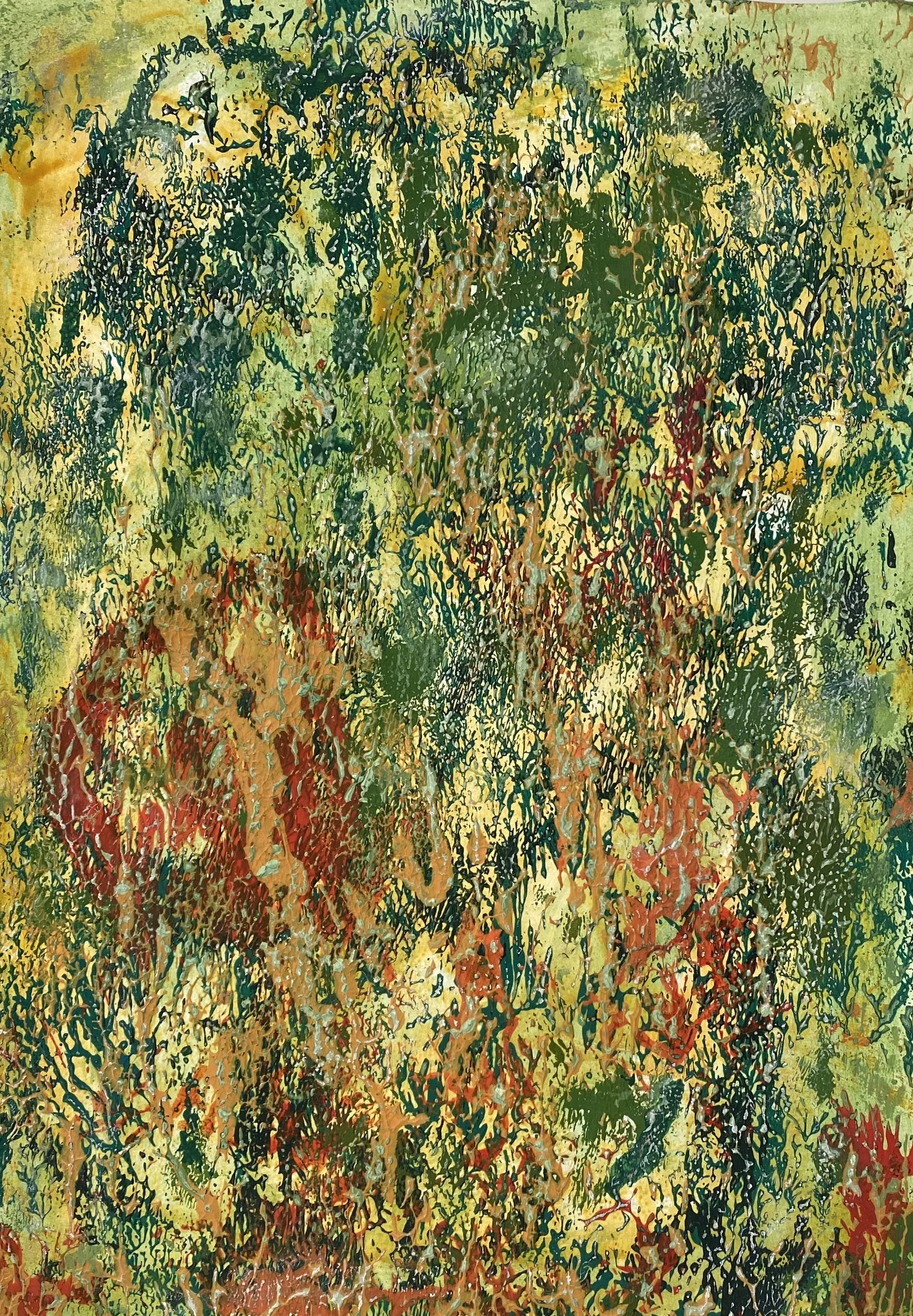
A painting may resemble an aerial photograph.
An object may behave like a model.
Architecture, organism, landscape, body and artefact begin to exchange characteristics.
Ambiguity is therefore not a refusal of meaning.
It is a means of allowing
multiple meanings to remain active simultaneously.
And the viewer completes another stage of emergence through their own attention.