I explore how living, geological and human systems encounter, negotiate and transform one another through material, space and time.
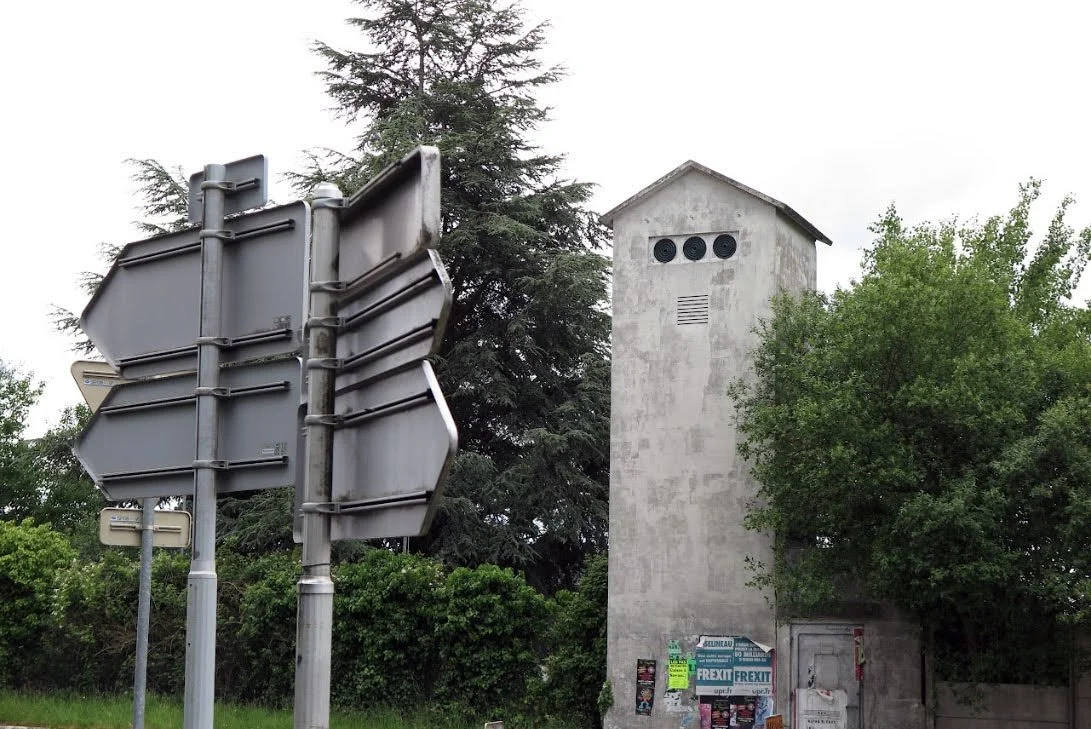
Mark Christopher Parry is a multidisciplinary visual working across painting, photography, sculpture and installation, his practice has developed through a longstanding curiosity about place, material, architecture and the natural world. After more than twenty years working in arts education alongside his own practice, he returned to Margate to focus fully on making. Walking, looking, collecting and experimentation are central to his process, with the coastal and changing landscape of Thanet providing an important context for his work. Rather than treating different media as separate disciplines, Parry allows ideas, materials and observations to move between them, creating an evolving practice shaped by attention, chance, curiosity and discovery.
Artist Statement
Mark Christopher Parry is a multidisciplinary visual artist who lives and works in Margate, Kent. His work explores how living, geological and human systems encounter, negotiate and transform one another through time. Working across painting, photography, sculpture and installation, He is interested in relationships that emerge between materials, objects and environments, and in the instability of the boundaries we construct between nature, culture and the spaces we inhabit.
Attention is central to the process. Photography begins with walking and looking: recognising temporary compositions, overlooked interventions and accidental relationships already present in the world. In the studio, this process shifts from observation to speculation. Collected objects, photographs, paintings, casts and materials are displaced from their original contexts and brought into new relationships, allowing unexpected formal and conceptual connections to emerge. Rather than working towards predetermined outcomes, he creates conditions in which chance, material behaviour and sustained looking can influence what the work becomes.
Materials are never neutral. A shell, antler, stone, fragment of packaging or weathered surface arrives carrying its own material, ecological and cultural histories. He is interested in allowing these histories to remain active without reducing objects to symbols. Their encounters can open questions around habitation, protection, consumption, ownership, movement and ecological change, while resisting a single prescribed interpretation.
Scale is similarly unstable. Microscopic structures can suggest aerial landscapes; a shell can operate simultaneously as biological structure and architecture; an industrial fragment can resemble geology or an archaeological remnant. Through this collapse of scale and category, distinctions between body, landscape, organism, architecture and object become uncertain.
Painting, photography, sculpture and installation therefore operate not as separate disciplines but as interconnected forms of enquiry. An observation made through photography may migrate into painting; a collected object may initiate a sculptural arrangement; a material experiment may suggest an architectural or spatial proposition. He thinks of the practice as a living network in which ideas continually move between materials, processes and places.
Rather than illustrating the world, he is interested in creating situations that encourage it to be encountered differently: slowing attention, unsettling familiar categories and revealing relationships that might otherwise remain unseen. Meaning is not fixed within individual works but emerges through the connections between them and through the viewer's own act of looking.